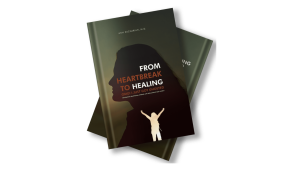
Trust is fragile. Once it’s wrecked, it takes more than time to overhaul. Often, we look for something to guide us—something that says to our pain and offers ease. Many find comfort in words, particularly in books on trusting again. These books share stories, insights, and education that stimulate us to heal. Whether you’re mending a broken relationship or learning to trust again physically, the right book can help you navigate the process.
Books like these deliver more than information. They offer viewpoint, patience, and control. They repeat to us that we’re not unaccompanied. At some point, everybody gets upset. But with compassion and consciousness, trust can be reconstructed. Authors who have trod this journey before us inscribe with honesty and understanding. That’s why selecting the right resource substances is important. Because even in your lowest moments, words can make you feel seen, supported, and understood. And sometimes, that’s all we need to begin again.
How Trust Breaks and Why It Hurts So Deeply
Trust is the basis of any joining. When broken, it smashes peace and sureness. It takes just one event to make lasting scars. But curative starts with sympathetic. Many books on rebuilding trust discover the deep emotional toll of disloyalty. They climax how trauma touches the mind and heart.
Furthermore, they inform us that discomfort does not mean weakness. Rather, it imitates how deeply we are upset. Often, people suppress their emotions, eager for time to fix things. But unprocessed discomfort grows. This is why interpreting stories and plans helps. It gives structure to your healing and encourages open conversations.
The Power of Storytelling in Emotional Healing
Stories carry curative energy. When writers share their experiences, readers feel less alone. Many books about rebuilding trust utilize individual journeys to evoke emotional attachment. These stories disclose both the pain of disloyalty and the joy of clemency.
We often fight to articulate our spirits. But stories say what we cannot. Through relevant characters or real-life stories, books bring clarity to complex issues. They help booklovers reflect and produce. Additionally, storytelling breeds empathy. It permits us to understand viewpoints beyond our own.
Themes Found in Books About Rebuilding Trust
Most books about rebuilding trust share common themes. Forgiveness frequently comes first. It’s not about explaining the hurt but freeing its hold on you. Next, there’s susceptibility. Trust requires a leap of faith again, even when it’s firm.
Another strong theme is communiqué. Many writers stress the importance of expressing feelings clearly. They deliver scripts and tips to make discussions smoother. Limits come next. Healthy limits defend your peace while letting connection.
Rebuilding Trust in Relationships After Pain
Rebuilding takes time and joint effort. While one being may want to rewire, the other may still struggle with their strength. Many books on rebuilding trust offer information for both flanks. They explain how to say sorry, listen vigorously, and move forward with uprightness.
Importantly, these books highlight that transformation isn’t about a switch. It’s about making a new basis. One that honors both people’s limits and fears. Trust doesn’t reappear overnight. However, reliable actions, combined with understanding, can rebuild even the most damaged connections.
How to Help Young People Through Betrayal
Children’s knowledge of trust is also important. A broken promise or an unexpected event can profoundly affect them. That’s why numerous books about rebuilding trust are geared towards young book lovers. These stories help child understand their emotions.
They use humble language, vivid images, and gentle words. They also teach children how to fast their art safely. When parents recite with their kids, they make a space for remedial conversations.
Furthermore, these books help children reconstruct trust in adults. They endorse listening, consistency, and expressive presence. And they remind caregivers that minor actions—like keeping a promise—go a long way.
The Role of Faith in Rebuilding Trust
Spirituality proposals comfort when reason fails. Many books on gullibility again mix faith into healing. They discover how trust in an advanced power can reinstate peace. For people of confidence, this joining becomes a lifeline.
These books syndicate prayer, scripture, and deep questions. They prompt readers to think on divine guidance throughout indeterminate times. Faith-based writers often emphasize clemency as a divine act. They repeat readers that love is holy, even when people fail.
Conclusion
Trust may take years to shape and can be disrupted in seconds. Yet, its refurbishment is always promising. The journey starts with understanding and likeness. That’s why books on trusting again are so influential. They don’t just express to you what to do—they demonstrate to you how to feel, process, and settle.
Whether your trust was shattered by others or betrayed from within, these books offer a quiet strength. They remind you that your emotions can open up again. That your attention can forgive. And that your depth can grow stronger with each honest word you recite.
Trusting again is not faintness. It’s bravery in its purest form. And when you hold that courage, guided by the correct words, your path toward curative becomes stronger. Trust, once devastated, can be reconstructed. And with each page, you take another step toward wholeness.